What Is a Stage 1 Remap? (Explained)
If you’ve been looking into getting more from your car, “Stage 1 remap” is probably the term you’ve seen most. It’s the starting point for almost everyone who has their vehicle tuned, the safest, simplest and most cost-effective way to improve how a car drives. Here’s exactly what it involves, in plain English.
What a remap actually changes
Every engine leaves the factory running a conservative calibration. Manufacturers have to account for poor fuel quality, extreme climates, high altitudes and worst-case components across millions of cars, so the software is deliberately held back from what the hardware is actually capable of.
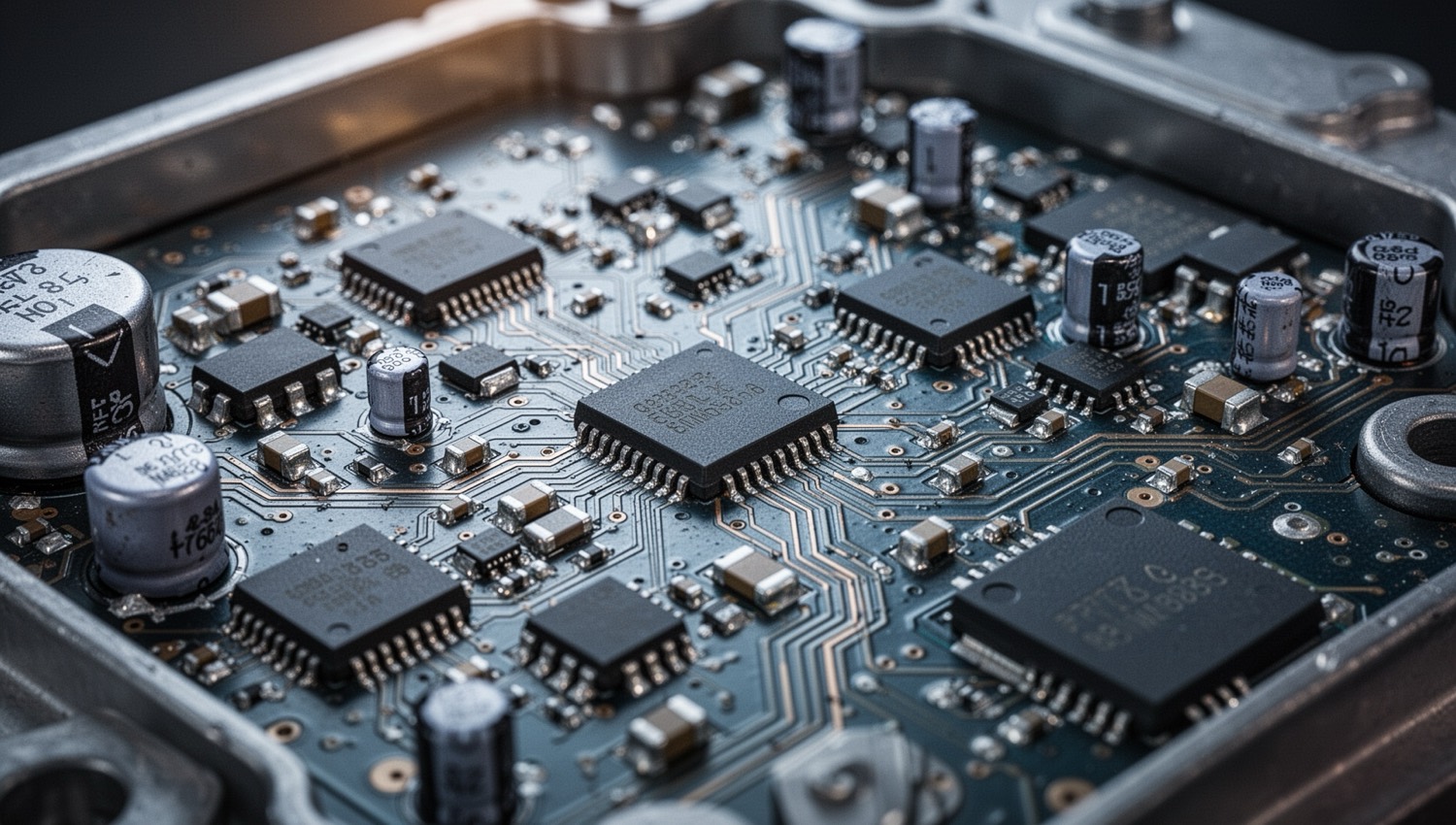
A remap is a software change to your engine’s ECU (the computer that controls it). We read the standard calibration, then write a revised map built specifically for your engine. Nothing physical changes on the car, no parts added, removed or swapped. These are the parameters we’re carefully adjusting:
Fuel delivery
How much fuel is injected, and exactly when, the foundation of a clean, efficient map.
Boost pressure
On turbocharged engines, how hard the turbo works through the rev range.
Ignition timing
On petrol engines, precisely when the spark fires for the best usable power.
Throttle response
How directly the accelerator pedal maps to what the engine actually does.
What you’ll actually feel
The most common result is more torque through the mid-range, the part of the rev range you use for overtaking, joining motorways and everyday driving, along with a sharper, more direct throttle response. It’s less about a bigger number on a spec sheet and more about the car needing less effort to get up to speed.

Diesel engines in particular often see an efficiency benefit alongside the performance gain, since a well-tuned engine doesn’t have to work as hard to produce the same result. That’s heavily dependent on driving style, though, drive it the same way you always have and you’ll likely see an improvement; drive on the extra performance every time and you probably won’t.

Is it safe?
A properly developed Stage 1 map is built to stay within what the engine and its supporting components, turbo, injectors, clutch, gearbox. Can safely handle. That’s really the whole discipline of remapping: knowing where those limits are for a given engine and staying inside them, rather than just turning the dial up. It’s not something to have done cheaply or blind, the map needs to be built for your specific engine, not a generic file.
Your original software is always kept on file. If you ever need the car back to standard, for a warranty claim, a sale, or any other reason, putting it back exactly as it was is a straightforward job.
OBD or bench: what’s the difference?
There are two ways we get the new map onto your ECU, and which one applies depends entirely on the specific ECU fitted to your vehicle. We’ll always confirm this before booking you in.

OBD
We connect to the car’s diagnostic port, the same socket a fault-code reader uses, and program the ECU in place. Nothing is removed from the vehicle.
Bench
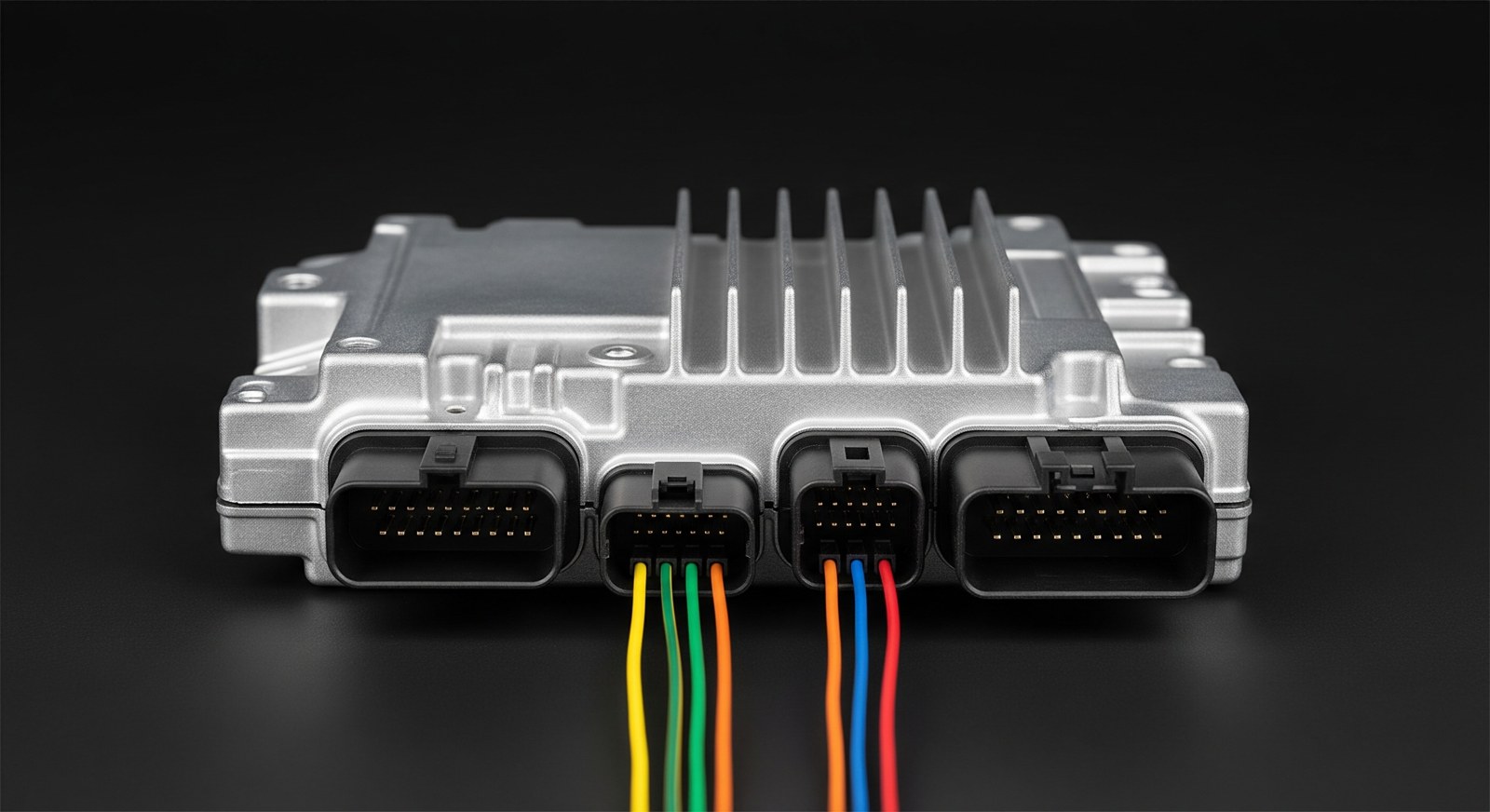
Where the manufacturer has locked down OBD access, the ECU comes out and is programmed directly on the bench, with a harness plugged into its connector.
Stage 1 vs Stage 2 and beyond
Stage 1 assumes standard hardware throughout. Higher stages build on top of that with supporting modifications, which let the map push further because the hardware around the engine can support it.
| Stage | Hardware needed | Who it’s for |
|---|---|---|
| Stage 1 | None, standard car | The vast majority of road cars. Most of the day-to-day difference, none of the extra work. |
| Stage 2 | Some supporting mods (e.g. Intake, exhaust, intercooler) | Owners already fitting bolt-on upgrades who want the map to match. |
| Stage 3 | Significant hardware (turbo, internals) | Dedicated builds chasing serious, specific power targets. |
If you’re not planning any other work on the car, Stage 1 is where you stop, and for most road cars it’s also where most of the noticeable, everyday difference is made.
Warranty and insurance
Being upfront: modifying your ECU is something you should declare to your insurer, and it can affect a manufacturer warranty on the affected components. We won’t tell you otherwise, but because your original software is always kept safe, we can put the car back to standard if a warranty situation ever calls for it.
Getting started
Every car is different, and the answer to “what will I gain?” depends on your specific engine, its condition, and what you actually want from it, more outright performance, better economy, or a bit of both. That’s the conversation we have with you before any work starts. Give us a call or book in and we’ll talk it through.
Frequently asked
Is a Stage 1 remap safe?
When it is done properly, yes. The map is written within safe limits for your specific engine and ECU, using a file matched to that exact variant rather than by model name alone, and the car can always be put back to standard.
Do I need to fit anything first?
No. Stage 1 is software only, on standard hardware. Nothing is fitted, removed or modified, and your servicing schedule does not change.
How long does a Stage 1 remap take?
Most take around an hour where the vehicle is parked. If your ECU has to be read on the bench or in boot mode it takes longer, and we confirm which applies before you book.
Will I have to tell my insurer?
Yes. A remap counts as a modification and should be declared. Most insurers note it without much fuss.
Which manufacturer do you drive?
Every map is written for your exact make, model and engine. Pick yours to see the models we work on most.
Ready to see what your car could gain?
Call 01934 245246 · info@carbontuning.co.uk